



HILLSBORO, Texas (KXXV) — Hispanic Heritage Month is a time to celebrate culture, history, and more.
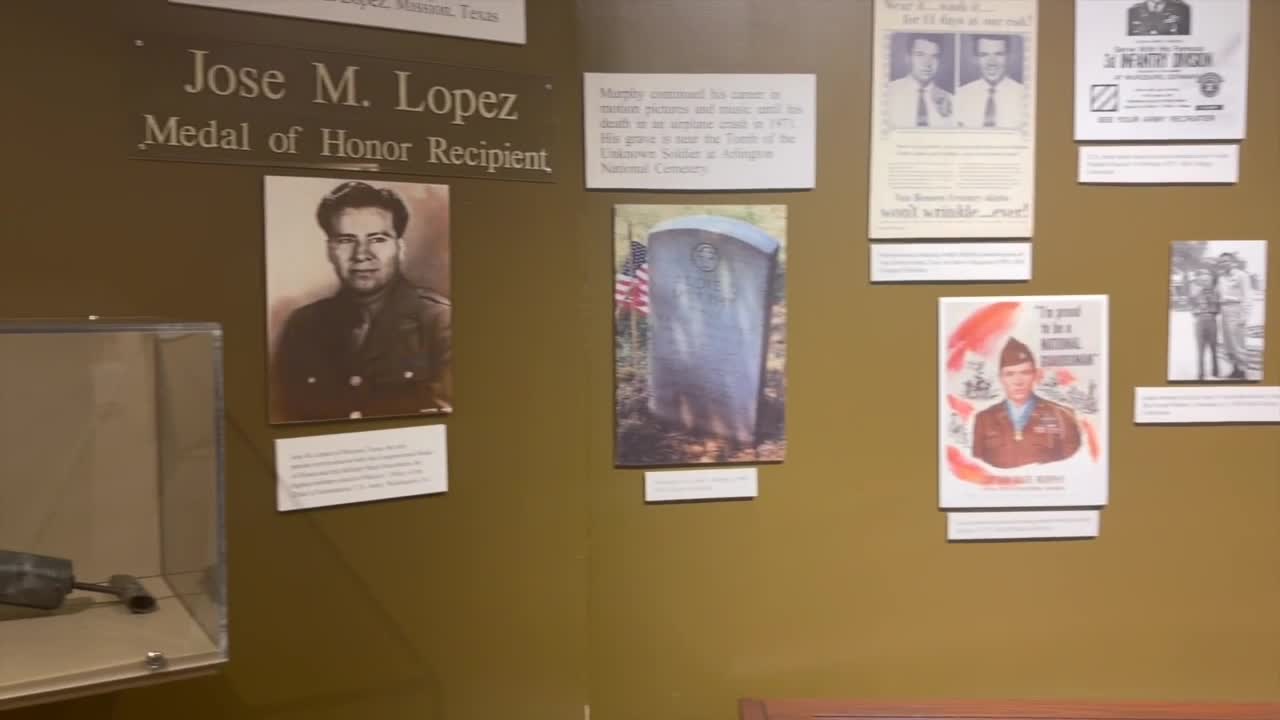
But that history can also be found right in Central Texas at the Texas Heritage Museum.
- The Texas Heritage Museum helps tell the story of Hispanic figures who have worked to make Texas a better place.
- “Growing up with parents who were born in Mexico and taking that leap to come over here," said Hill College Professor Adriana Estrada.
“I’m immensely proud of my Hispanic heritage," said Hill College Professor Adriana Estrada.
Estrada is a professor at Hill College. She said her Hispanic heritage runs deep in her veins. This month she’s happy to celebrate.
“Growing up with parents who were born in Mexico and taking that leap to come over here, it’s essentially important to be proud of where you come from. Keep going to be a mark for not just you but for everyone behind you," said Estrada.
Estrada doesn’t have to go far to learn more about Hispanic figures who made a difference in Texas.
The Texas Heritage Museum helps tell the story of Hispanic figures who have worked to make Texas a better place.
As we celebrate Hispanic Heritage Month, the museum's assistant director believes Texas history is everyone's history, adding that Hispanic culture made a significant difference in state history.
“It’s very inspiring to hear these stories about people who are sacrificing their literal lives to help others. And that’s the stories that you see when we look at our Medal of Honor recipient, Roy Benividas, who was an American of Hispanic Heritage," said Priscilla Schubert, assistant director of the Texas Heritage Museum.
For Estrada, she’s able to walk the museum halls with her students. The very same hall that she walked as a little girl; this time she’s able to show them more history about Hispanic history.
And her representation is important.
“You get overwhelmed but also joyous to know that their sacrifices weren’t for nothing; we’re still here, sometimes fighting the same battles but also making sure that they’re not repeated, and it’s just a sense of knowing that there was someone like us…maybe the same skin color, maybe someone that spoke that same language, but they were also doing their part too," said Estrada.


