



WACO, Texas — The price of politics is climbing, and experts say the effects of record campaign spending may extend beyond candidates and elections to local businesses and consumers.
More than $573 million in political advertising spending and reservations went toward the U.S. Senate race in Texas, according to AdImpact, making it the most expensive non-presidential race on record.
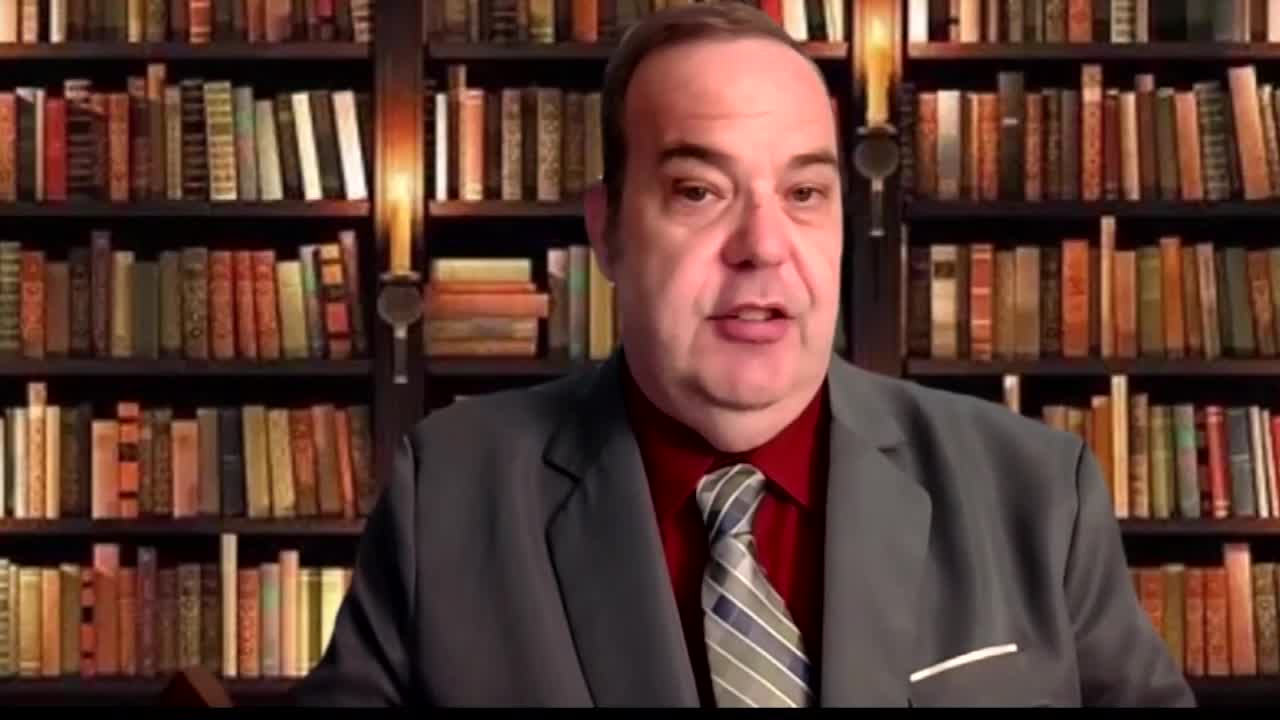
Dr. Rob Tennant, a former accounting professor at Texas A&M University-Central Texas, said the competition for limited advertising space during major election cycles can drive up costs for businesses trying to reach the same audiences.
“Research shows that in non-battleground states, it tends to go up 10 to 20% during an election cycle,” Tennant said. “With the $573 million spent here, I would think it probably went up more.”
For small businesses, higher advertising prices can mean increasing marketing budgets, cutting back on advertising or trying to recover some of those additional expenses through higher prices.
“Budgets go up for businesses, and they have higher expenses,” Tennant said. “They can't completely pass those expenses onto customers. They would love to, I don't mean in a negative, bad way. But just to maintain the basic level of profitability they had last year, they would want to pass as much of that cost out as possible.”
The surge in spending is not limited to Texas.
Tennant said spending on congressional races nationwide has tripled over the past decade. While inflation can explain some of the increase, he said it does not account for all of it.
“Yes, inflation may explain a portion of that, but it hasn't gone up three-fold in 10 years,” Tennant said. “What I believe it demonstrates is that each ad dollar is less effective than it used to be.”
That raises another question as campaigns continue pouring money into television and other political advertising: Does spending more actually translate into better results?
Tennant said history shows spending can improve a candidate's odds, but money alone does not guarantee success.
“Results demonstrate that spending a lot of money, although historically associated with improving odds, doesn't always yield the results you want,” he said.
With political campaign spending expected to continue climbing in future elections, its impact could increasingly be felt outside the races themselves, especially by businesses competing for advertising space during election season.
We’ll continue following where political advertising dollars go and what rising campaign spending could mean for Central Texas businesses and consumers.
This story was originally reported on air by Alexa Conroy and was converted from a television news script into a digital format with the assistance of artificial intelligence.
