


COLLEGE STATION, Texas (KRHD) — A 12-minute virtual reality simulation at Texas A&M is helping students confront death, reduce anxiety, and gain a fresh perspective on life.
- 60 students participated in this experiment.
- The study was a collaboration between Texas A&M and Tarleton State University, using a video provided by the International Association of Near-Death Experience Studies.
- The experiment was supported by Dr. Jeff Long, Dr. Jan Holden, Dr. Ryan Foster, and co-author Benjamin Ennemoser, Ph.D., and conducted by Parya Khandan, a doctoral student in Architecture at Texas A&M University.
Watch the full story here:
BROADCAST TRANSCRIPT:
A 12-minute experience at Texas A&M is giving students a chance to confront one of life's biggest fears — death.
"Death anxiety peaks at, you know, twenties. So that's why we focus on our students," Assistant Professor in the Department of Architecture at Texas A&M University, Zhipeng Lu said.

Assistant professor Zhipeng Lu and his research team study how virtual reality can improve quality of life and address a serious mental health issue on college campuses.
"Mental health is the really serious issue for students and almost 40% of them having anxiety," Lu said. "30% of them have some level of depression and impact their daily functioning."

The simulation begins with a sudden car crash, then transitions into a calm, reflective environment filled with vivid colors, stars, and nature scenes.
A narrator guides participants through reflections on life and the challenges they face.
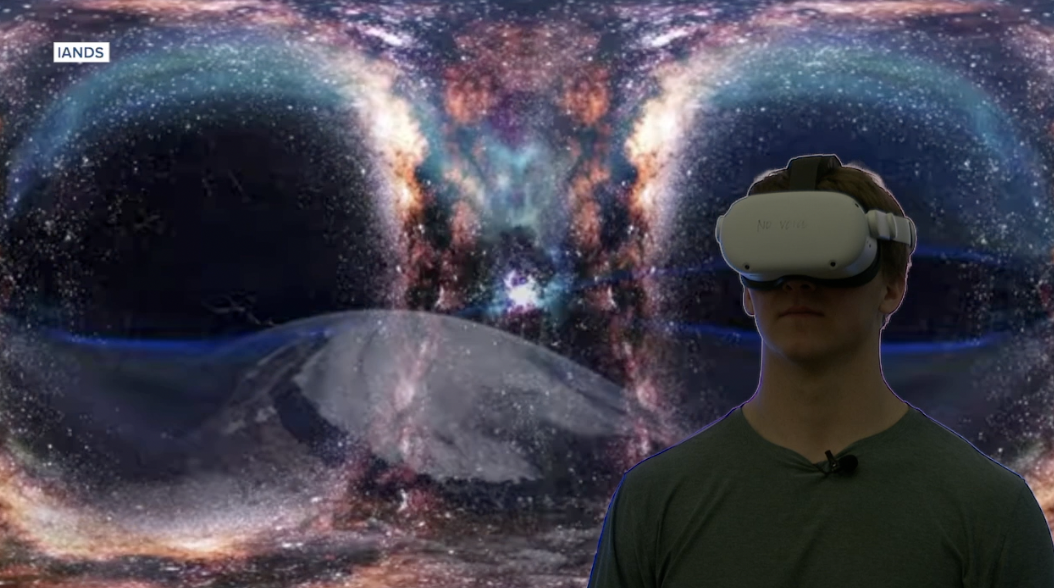
15 ABC asked Texas A&M students about their thoughts over the virtual reality simulation.
"It was a little frightening at first, but then it definitely kind of roped me into relaxation and meditation pretty quickly," Texas A&M student, Hudson Morrow said.
"I came with like some expectations of like oh my gosh, a near death experience and then it just felt so calm after," Texas A&M student, Marina Pinar said.
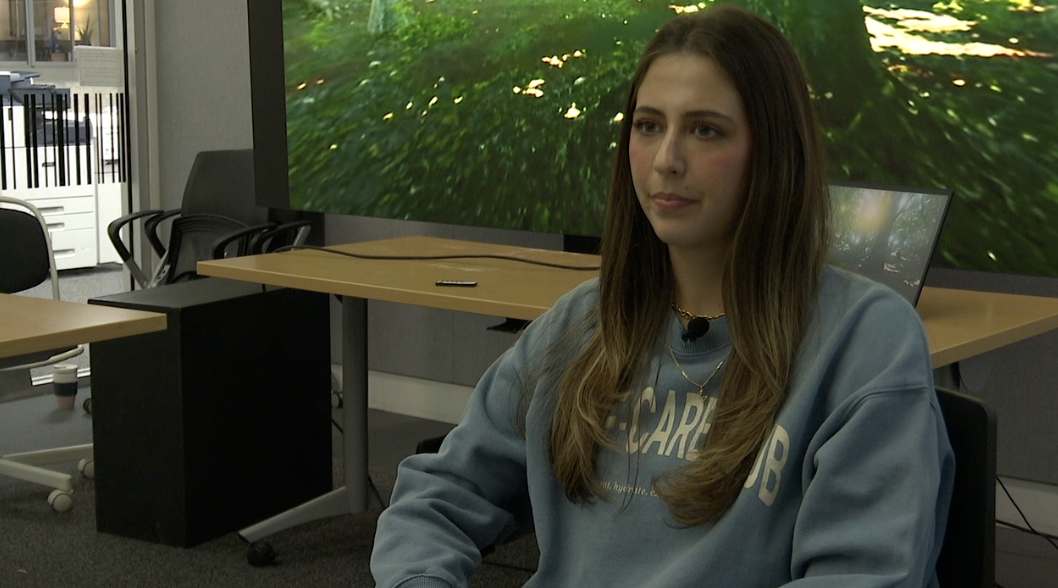
Students tell 15 ABC the experience feels uncertain at first but leaves them feeling reflective.
"I experienced like peace and like calmness rather than stress or anxiety or anything like that," Pinar said.
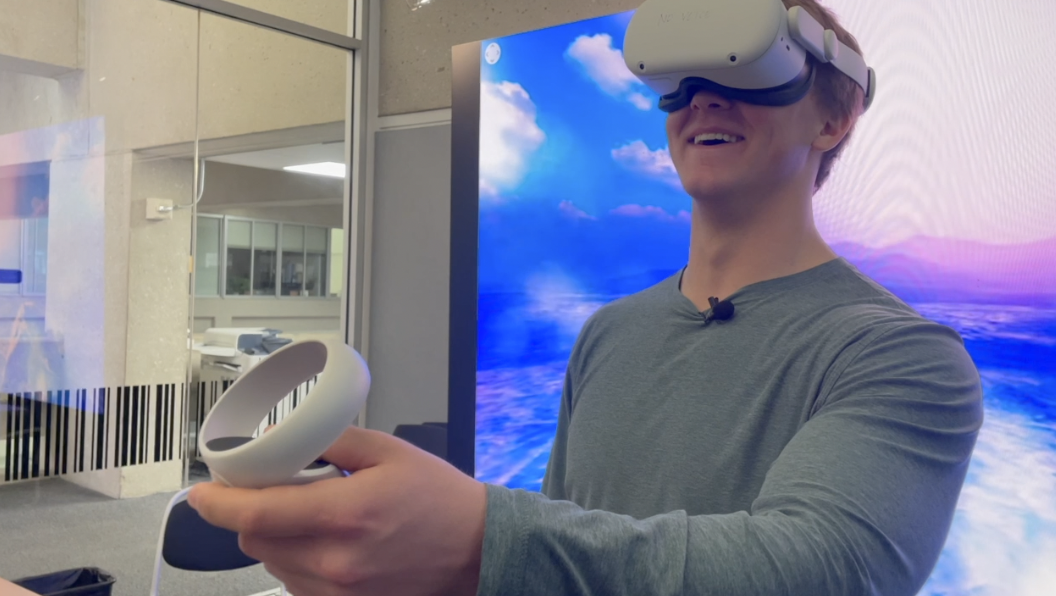
"Based on the literature and also the case study, they all changed their view of their life, changed the relationship between the family members," Lu said.
"The application is really limited, but it's really powerful," Lu said.
Professor Lu calls the early results promising and hopes this technology can give students a new way to manage stress — and a fresh perspective on life.
