



WACO, Texas (KXXV) — Saharan dust is making its way across the Atlantic and into Central Texas, and while most people will notice little more than hazy skies and colorful sunsets, doctors say those with underlying respiratory conditions should take precaution.
Watch Full Story Here:
The dust traveled thousands of miles from the Sahara Desert before reaching Central Texas, bringing lower humidity and hotter temperatures with it.
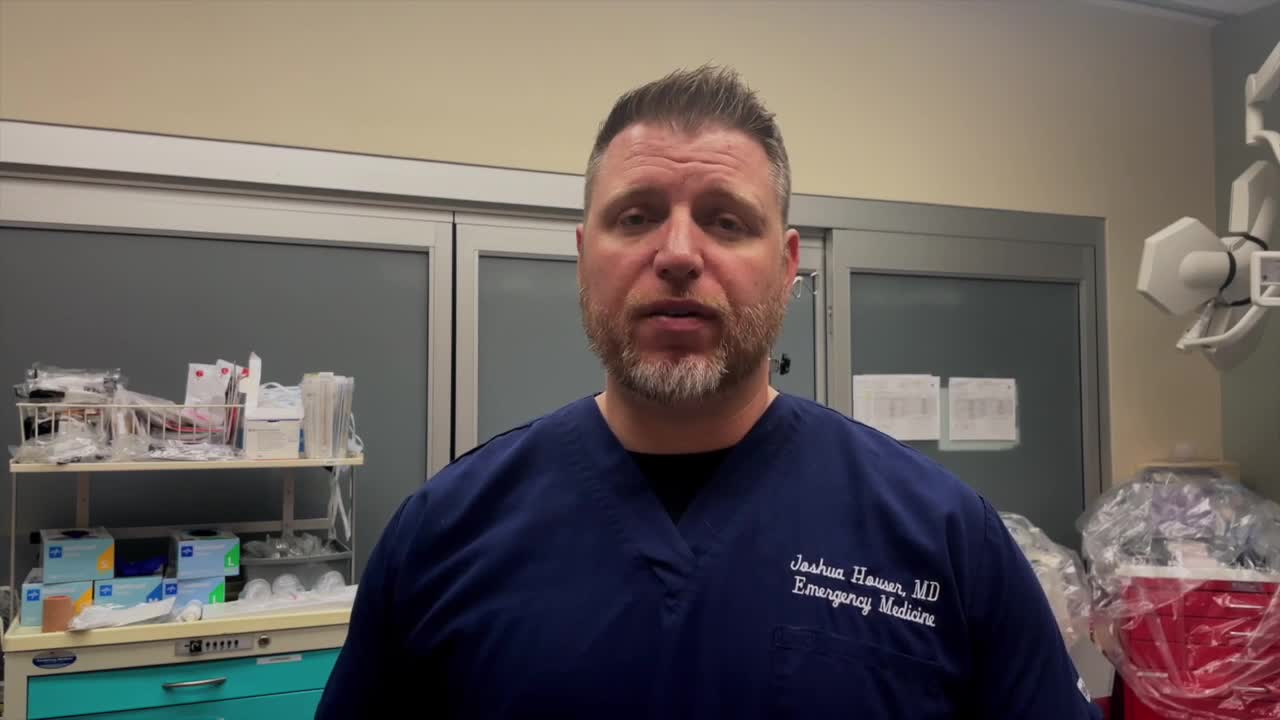
Dr. Joshua Houser at Baylor Scott & White in Waco said people with pre-existing lung conditions face a greater risk during events like this.
"So you look outside, it's very hazy. We have a lot of this dust in. There's a lot of allergens in the air. So if you have an underlying lung condition, asthma, COPD, or anything like that, you're going to be a little more at risk for increased flares of that during this type of season," Houser said.
Houser said most people won't experience any major issues, but those with asthma, seasonal allergies, or other respiratory conditions may notice more coughing, wheezing, or irritation after spending time outside.
Local mom Emily Spencer said she is already adjusting her family's plans out of caution.
"So if I know there's, if I know there's going to be lots of dust in the air like you've told me for tomorrow, we'll, we'll probably do something inside like we might go to the museum and just stay out of the weather," Spencer said.
Spencer said even without breathing issues in her household, she prefers to err on the side of caution. Her youngest son has eczema, and she is mindful of the connection between skin and respiratory conditions.
"My littlest has eczema. He's not really had um breathing allergies, but I know it's all related, so I try to be a little bit careful," Spencer said.
For those who do have respiratory conditions, Houser offered specific guidance.
"You need to make sure you have your albuterol inhaler or your rescue inhalers handy. Make sure you're getting in and out of the air as much as possible to kind of get a little bit of a reprieve from that trouble," Houser said.
Doctors suggest monitoring any unusual reactions during the dust event.
This story was reported on-air by a journalist and has been converted to this platform with the assistance of AI. Our editorial team verifies all reporting on all platforms for fairness and accuracy.
