



WEST, Texas (KXXV) — A flesh-eating parasite has crossed into South Texas, but local ranchers say they have been preparing for this moment for more than a year.
A case of the New World screwworm was found in a calf near the U.S.-Mexico border — the first confirmed case in Texas since 1966. The parasite can cause serious harm to livestock, but cattle producers in the area say the threat is not new to them.
Watch Full Story Here:
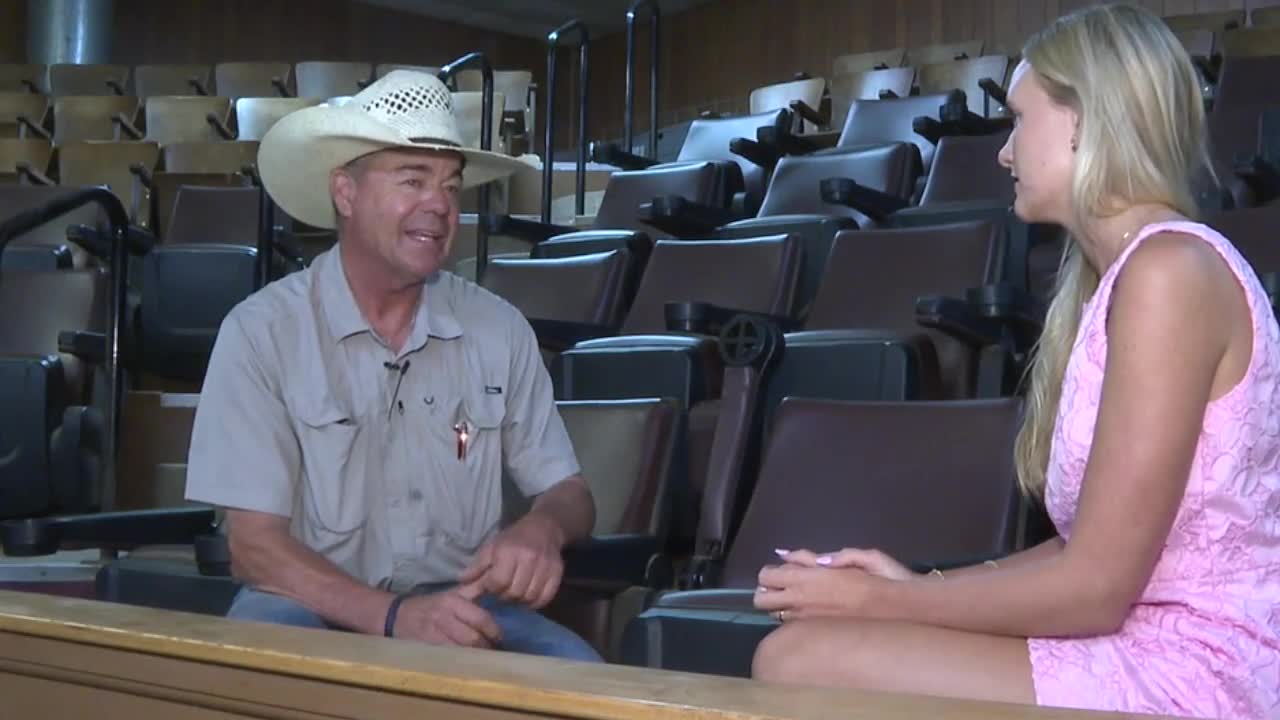
Brian Uptmore, a cattle auction owner in West, Texas, said the industry has been watching the parasite's northward movement for some time.
"It's been talked about for a year. It kinda, you know, down below Mexico, it slipped past, uh, I think they found a case a year or so ago, and it's been slowly inching up, and we've been preparing as an industry we've been preparing for this for over a year," Uptmore said.
The USDA has already established a quarantine area and begun releasing sterile flies to prevent the pest from spreading. Uptmore said his biggest concern is not the parasite itself, but the public response to it.
"People overreacting. Um, it's not an airborne virus or anything like that. You know, we controlled it back in the 60s and 70s, you know, wiped it out then. We can wipe it out again now," Uptmore said.
Unlike contagious diseases, screwworms do not spread from animal to animal. Instead, flies lay eggs in open wounds, where larvae can develop. Uptmore said that means ranchers may need to be more hands-on with their herds.
"You're gonna have to check your cattle a little closer, you know," Uptmore said.
While there is no food safety risk to consumers, Uptmore warned that uncertainty in the cattle market can still have real consequences for buyers and sellers.
"Short term it could, it could cause uncertainty. Anytime you have uncertainty in the market, you get some wild swings," Uptmore said.
🚨 With the recent detection of New World screwworm in a 3-week-old bovine in Zavala County, TX, USDA urges residents to contact your veterinarian right away if you see any suspicious wounds, maggots, or infestations in your animals or herd.
— Dept. of Agriculture (@USDA) June 4, 2026
If you see signs of maggot… pic.twitter.com/lxxsjIgDcb
The USDA says it is confident there is no threat of a mass infestation at this time, with procedures and new technologies already being deployed in South Texas to prevent the spread. With the U.S. cattle herd already at its lowest level in decades, ranchers are hoping the single confirmed case stays just that.
This story was reported on-air by a journalist and has been converted to this platform with the assistance of AI. Our editorial team verifies all reporting on all platforms for fairness and accuracy
