


GRIMES COUNTY, Texas (KRHD) — Grimes County ranchers and experts battle pasture mealybug threat to local ag industry
Watch the full story here:
Grimes County ranchers and agricultural experts are battling a new threat to the local agriculture industry: the pasture mealybug.
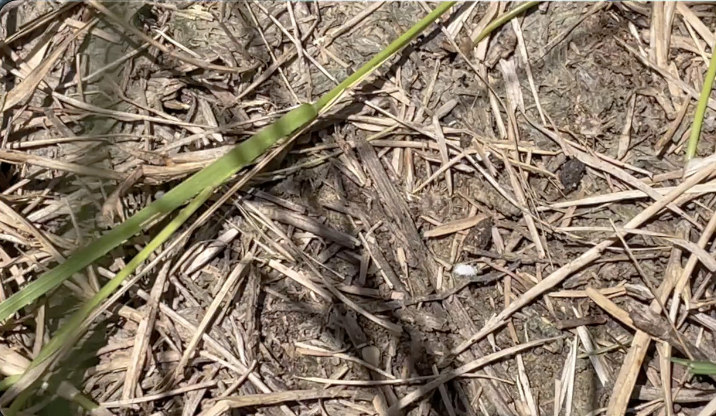
Cole Price, a Grimes County rancher and producer, is currently dealing with the pest on his land.
"Well, we grow grass and any time we have something come in that takes that away from us, it's, it's a problem," Price said.
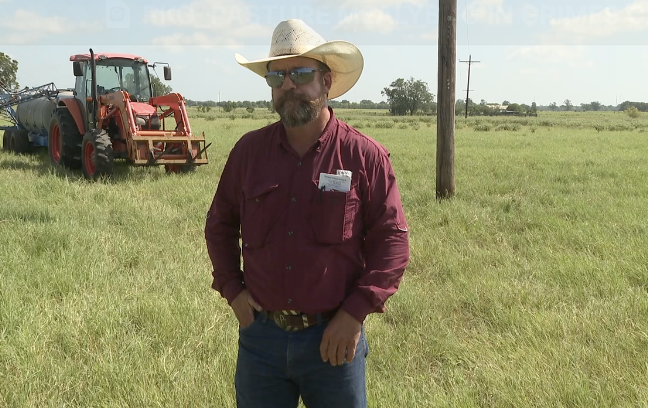
Price said he was among the first to report the infestation locally.
"I think I was one of the first ones. I actually called the extension office here probably about 30 days ago and we found them just east of Navasota there about halfway to Anderson on the south side of 90," Price said.
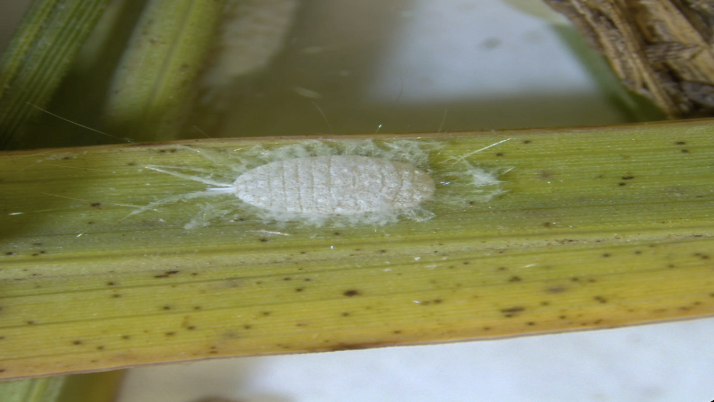
Local experts say the mealybug poses a threat to the broader agricultural industry. Agronomist Greg Mock said there is still much to learn about the pest.
"Yeah, so there's still a lot more questions than what there are answers, and we're out here working it every day trying to figure this thing out," Mock said.
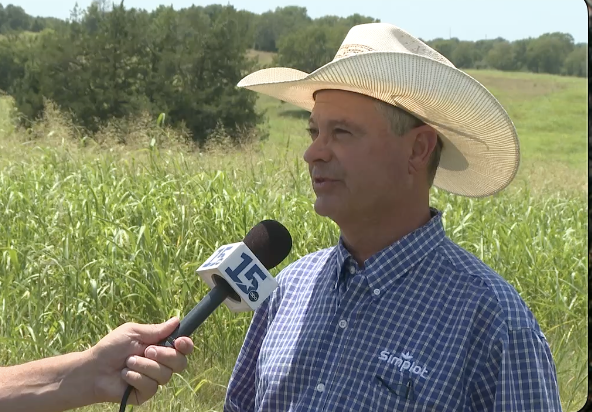
Madison County Extension Agent Shannon Dietz said the impact extends beyond hay producers.
"It's not just the hay producers that are producing bales of hay and shipping it out. It's also affecting the producer who has cattle on the ground," Dietz said.
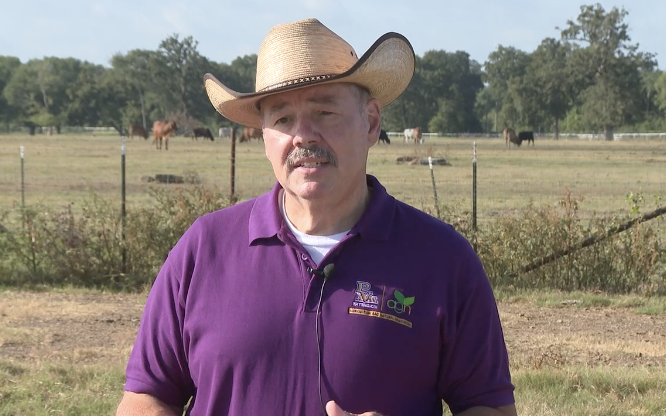
Experts explained how mealybugs kill grass and how quickly they can multiply. Mock described the damage the insects cause underground.
"Those pupae in the ground are eating those roots, so it's basically starving that plant out. It's not getting the nutrition that it needs up top and therefore it's just gonna die," Mock said.
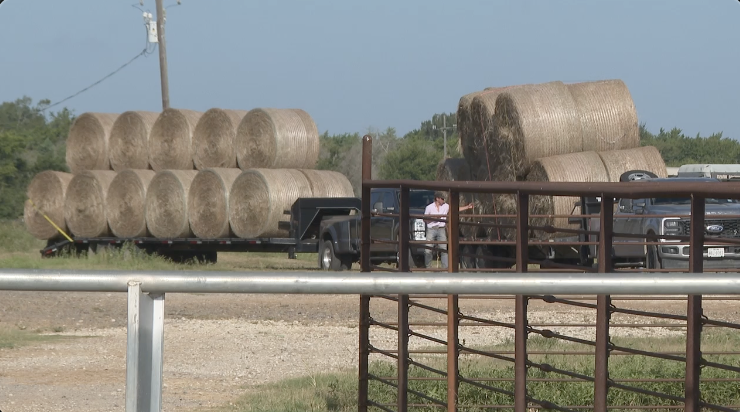
Dietz added that the insects reproduce rapidly.
"An actual female mealybug can lay up to 100 eggs per cycle," Dietz said.
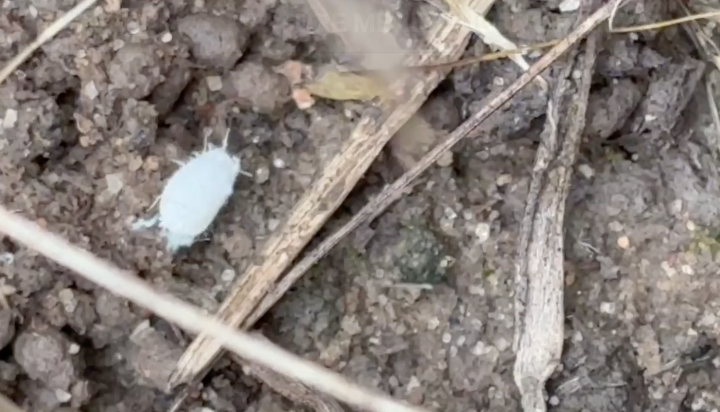
Price said he may have found a spray that is effective, though it comes at a cost.
"There is some stuff that the reps are putting us on. I sprayed some of it about 10-15 days ago, and I'm seeing some results from that now. Whatever you can do to slow it down or stop it is key," Price said.
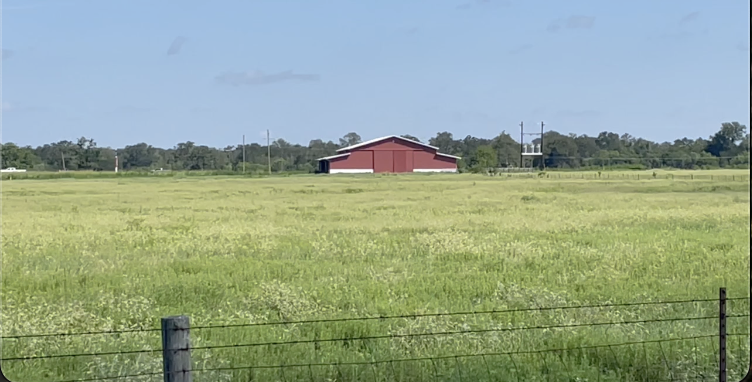
Officials advise producers to check fence lines, wash down gear before moving between fields, and contact their local AgriLife office if they spot mealybugs.
This story was reported on-air by a journalist and has been converted to this platform with the assistance of AI. Our editorial team verifies all reporting on all platforms for fairness and accuracy.
