

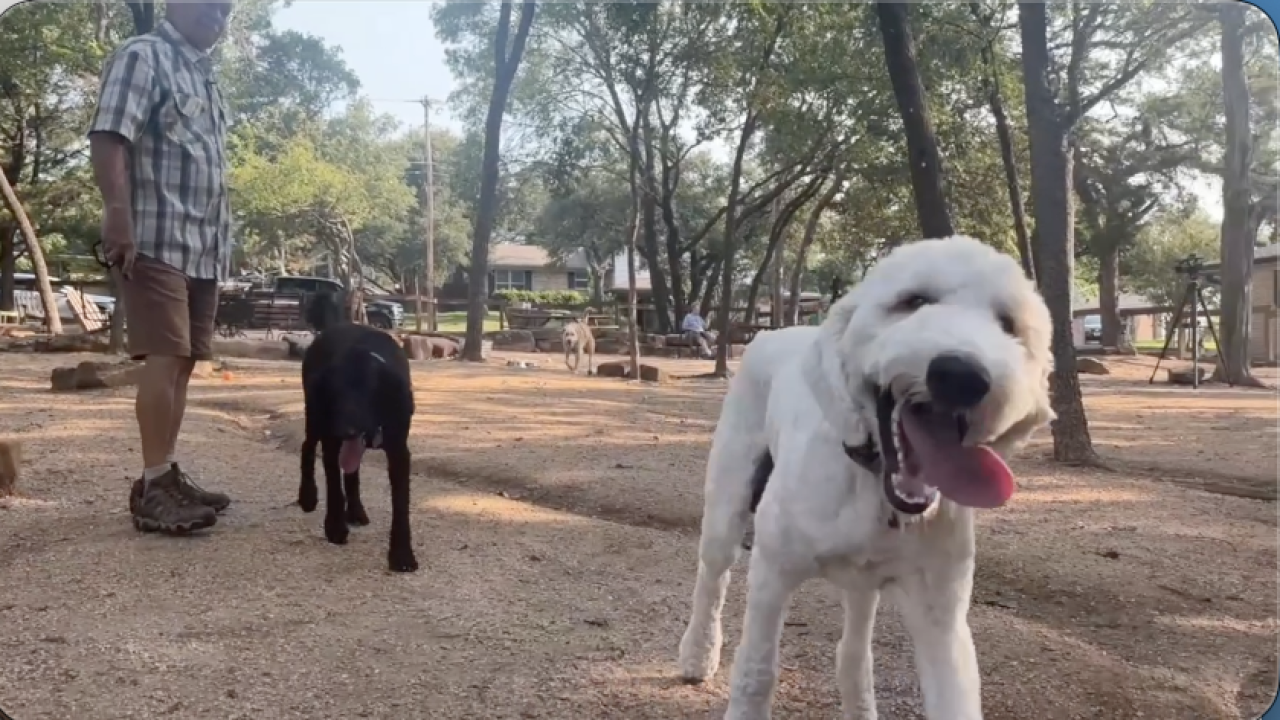


COLLEGE STATION, Texas (KRHD) — Some furry friends may be able to live longer, healthier lives thanks to an ongoing research project happening in our backyard.
Watch the full story here:
The National Institutes of Health has awarded nearly $29 million for the next five-year phase of the Dog Aging Project at Texas A&M. Researchers want to understand why some dogs stay healthy well into their golden years.
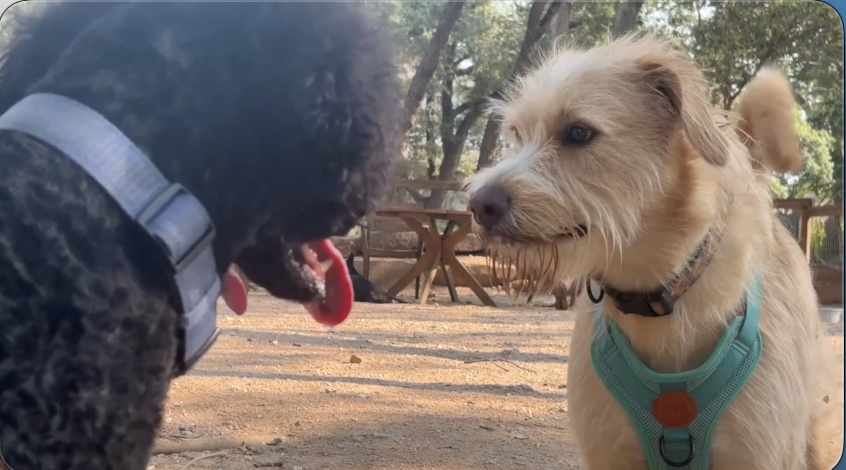
"So, we're trying to understand what can we learn about how dogs are aging in their natural environment, which is our houses," said Dr. Kate Creevy, who is leading the research.
She says studying dogs in their homes could unlock insights that reach far beyond pets.
"Much of what we learn about healthy aging in dogs will apply to healthy aging in people as well," Creevy said.
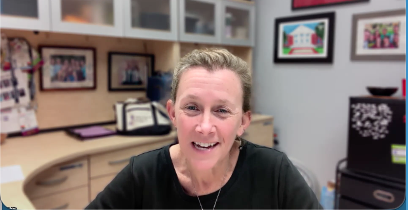
That connection comes down to how closely dogs share our daily lives.
"They literally live in our homes, sleep in our beds, and eat our food. And so, whatever we as their owners are exposed to in our environment for good or for bad, the dogs are likely exposed to as well," Creevy said.
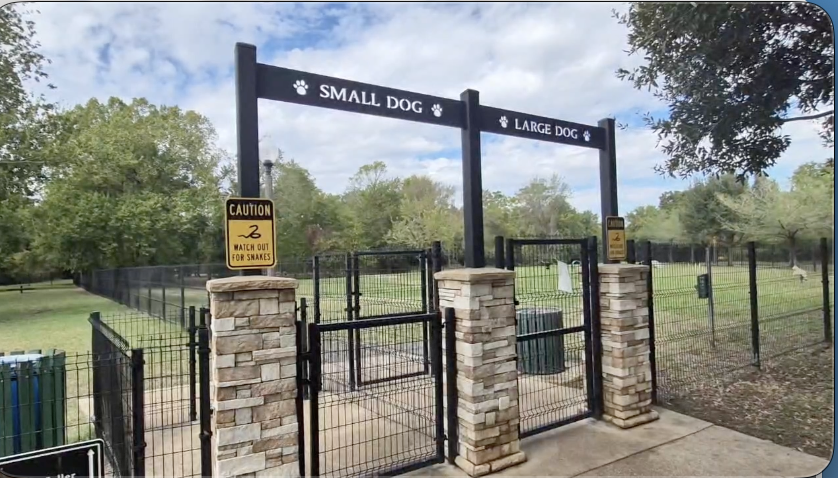
I talked with some folks at the dog park who are excited to hear about the study.
"Oh, I love that. I think that'd be really helpful, especially, especially because we love our dogs. We all love our dogs and they're kind of our world," said Erica Ludwig, a local resident.
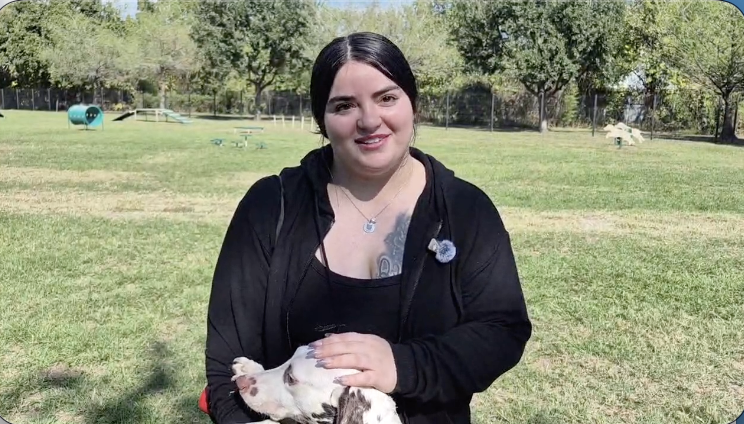
"I think that dogs should definitely live longer because they're amazing and they make everyone's lives so much better," said Nekia Couture, a local resident.
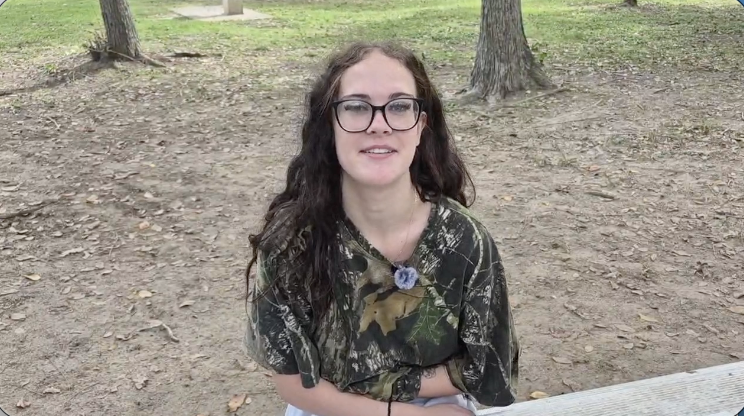
There are 55,000 dogs in the study, but researchers are looking for more. All you have to do is fill out surveys and share information about your dog.
"Everything can be done from your home as long as you have a computer with access to the internet. So we really tried to make it something that anybody who was interested anywhere in the country could participate," Creevy said.
Ludwig says she would welcome the chance to join.
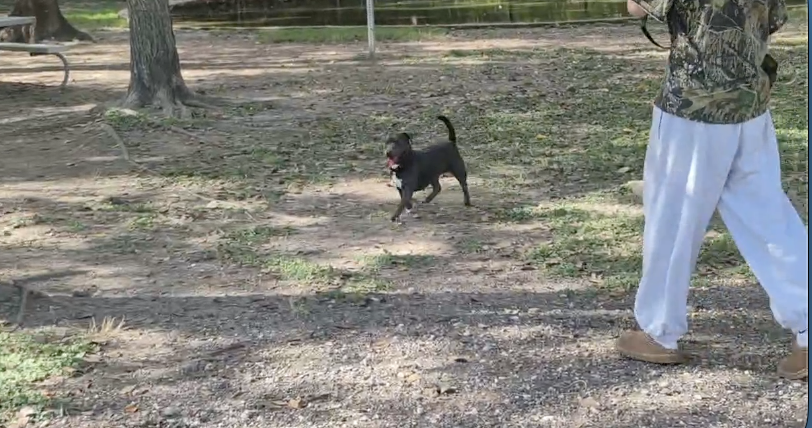
"I would love, love to be part of it, honestly. I think it'd be really cool," Ludwig said.
Creevy says we can help our best friends live longer, healthier lives.
"There are some things we can't change, you know, I can't change my height. I can't change my eye color, but I can change how I take care of my body as I age, and we can do the same for dogs," Creevy said.
To find out how to get your dog involved in the study, or to keep up with the program, go to dogagingproject.org
This story was reported on-air by a journalist and has been converted to this platform with the assistance of AI. Our editorial team verifies all reporting on all platforms for fairness and accuracy.