



A local cattle rancher is sounding the alarm about the rising cost of producing beef — and what it means for the price consumers pay at the grocery store.
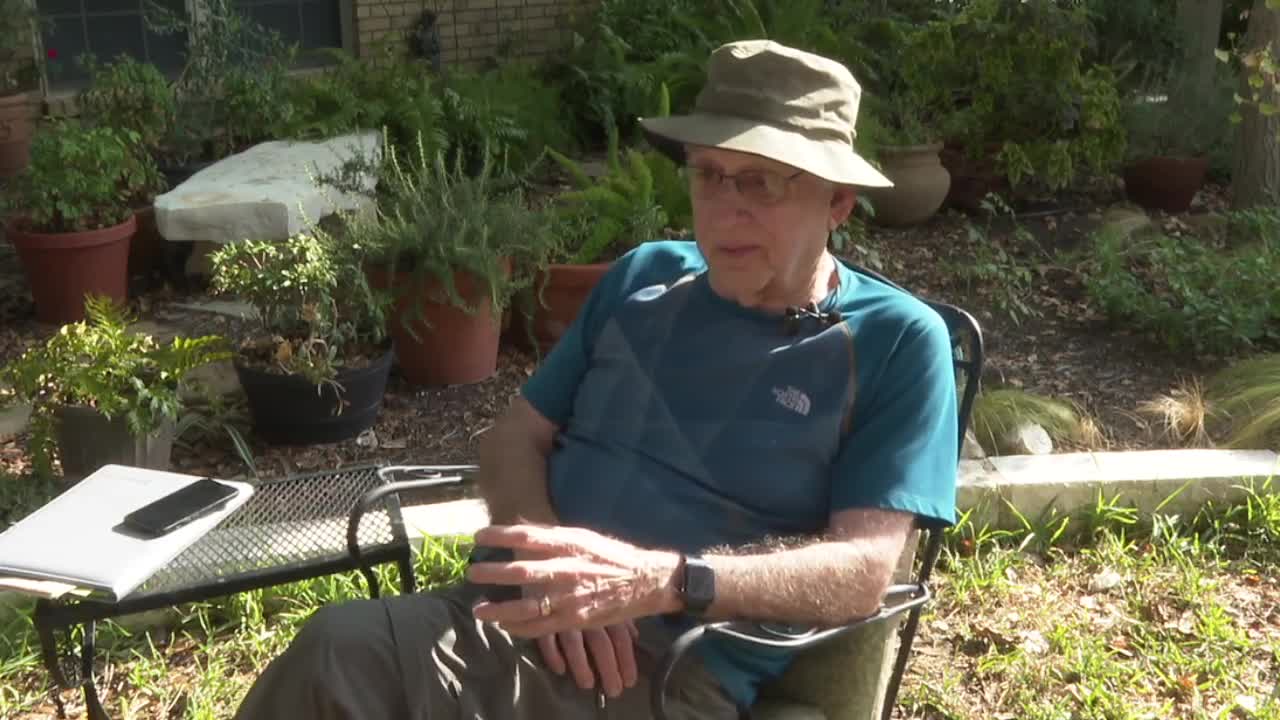
Dr. Dudley Baker is a former OB-GYN, a retired military veteran, and now a cattle rancher. He has been watching prices climb for feed and diesel, and says those costs are squeezing ranchers across the industry.
"A farmer rancher borrows money to plant their crops, and then they have to make enough money to have some kind of earnings, and right now they can't do it," Baker said.
Baker says the financial pressure is pushing some of his fellow ranchers to make difficult decisions.
"They're worried some of them are selling off their land; they're selling off their cattle. Now we have cattle coming in from Argentina, which really hurts the ranchers and farmers," Baker said.
The numbers back up his concerns. According to the U.S. Bureau of Labor Statistics, the price of beef steak rose from $9.65 in 2021 to $12.81 by 2026 — an increase of 33%. The U.S. Department of Agriculture reports the size of U.S. cattle herds has fallen to a 75-year low, driven by drought and high feed costs.
Grocery shoppers are feeling the impact. Dorothy Kirtley said the prices have become unmanageable for many families.
"It's astronomical, and the average person can't afford that, so they'll go without stuff that they need," Kirtley said.
Other shoppers are turning to alternatives for protein. Syreeta Hill said her household has had to adjust.
"We're choosing more beans and things of that nature… obviously I would prefer to eat more meat," Hill said.
Baker warns the price increases will not stop at beef.
"It's not just going to be beef; it's going to everything they eat. We're not getting the food from Mexico and South America without big tariffs on them, so the prices will be going up until this is corrected," Baker said.
Despite the challenges, Baker says ranchers and farmers are resilient and have weathered political and economic hardships before.
This story was reported on-air by a journalist and has been converted to this platform with the assistance of AI. Our editorial team verifies all reporting on all platforms for fairness and accuracy.
